
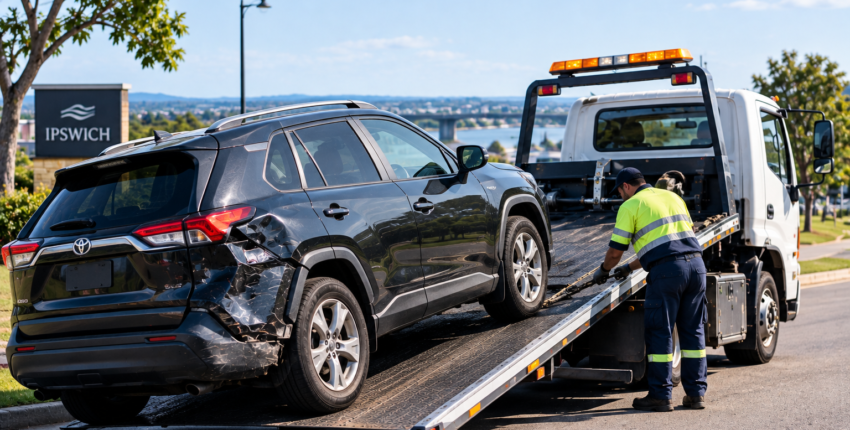
If you have an old car sitting in the driveway, a damaged vehicle that is no longer worth repairing, or a non-running car that has become difficult to sell, car removals in Ipswich can provide a practical way to deal with it.
Many vehicle owners assume that selling an unwanted car has to involve advertising, private inspections and lengthy negotiations. In reality, professional car removal services can simplify the process by assessing the vehicle, arranging collection and helping you move on from a car you no longer need.
But how does the process work, and what should you know before booking a removal?
What Are Car Removals in Ipswich?
Car removals are services that arrange the purchase and collection of unwanted vehicles from a customer’s location.
The service can be useful for vehicles in a wide range of conditions, including old cars, damaged vehicles, non-running cars, unwanted vehicles and cars that have reached the end of their practical life.
The important difference is convenience. Instead of finding an individual buyer and organising how to transport the vehicle, the removal service can coordinate the assessment and collection.
The exact conditions vary between providers, so vehicle owners should always confirm what is included before agreeing to a sale.
Which Vehicles Can Be Considered for Removal?
One of the first questions people ask is whether their particular vehicle is suitable for removal.
Depending on the service and the vehicle’s circumstances, removal may be available for:
- Old and unwanted cars
- Accident-damaged vehicles
- Non-running cars
- Scrap vehicles
- Unregistered vehicles
- Vehicles with mechanical faults
- Older 4WDs and SUVs
- Utes and vans
- End-of-life vehicles
A vehicle does not necessarily have to be in excellent condition to have value. Parts, components and recyclable materials may contribute to its overall assessment.
However, vehicles with substantial damage, missing components or special circumstances may be assessed differently, which is why accurate information is important when requesting a quote.
How Does the Car Removal Process Work?
For most vehicle owners, the process can be broken into a few straightforward stages.
1. Provide Vehicle Information
Start by providing the basic details of the car.
Useful information includes the make, model, approximate year, condition, registration status and Ipswich location.
If the vehicle does not start, has accident damage or has missing parts, explain this at the beginning. Being transparent helps create realistic expectations about the assessment.
2. Discuss the Vehicle’s Value
The value of an unwanted car is not determined by age alone.
Factors may include the make and model, overall condition, completeness, demand for parts and the potential recycling value of the vehicle.
For this reason, avoid relying on a generic online figure as the actual value of your specific car.
3. Confirm the Collection Arrangements
If you decide to proceed, confirm when and where the vehicle will be collected.
Tell the removal provider about anything that could make loading difficult. For example, a vehicle that is parked behind another car or located in a narrow driveway may require additional planning.
If the car is not running, make that clear before collection so appropriate equipment can be arranged.
4. Complete the Handover
Before the vehicle leaves, make sure you understand the payment and documentation process.
If the vehicle is registered and being sold or transferred, Queensland has specific requirements for transferring registration. The Queensland Government states that sellers must transfer registration out of their name within 14 days when the vehicle is sold or disposed of to another person.
Your circumstances may differ if the vehicle is being dismantled, disposed of or handled as a written-off vehicle, so confirm the applicable requirements.
What Can Affect Your Car Removal Quote?
There is no universal price for every unwanted vehicle.
A quote can be influenced by several factors.
Vehicle condition: A running vehicle may be assessed differently from a heavily damaged or incomplete vehicle.
Make and model: Demand for parts and components can affect the vehicle’s potential value.
Age: Older vehicles may have lower resale value but can still contain reusable components and recyclable materials.
Completeness: Missing major components can change the assessment.
Location and collection requirements: The collection circumstances may also be relevant, particularly when specialised loading equipment is required.
Providing accurate details and photographs can make the initial assessment more useful.
What About Damaged or Written-Off Vehicles?
A written-off vehicle requires particular attention in Queensland.
Queensland Government guidance explains that certain total-loss vehicles must be reported and recorded on the written-off vehicle register. A written-off vehicle’s status can remain on the register even after the vehicle is repaired or sold.
If you are dealing with an accident-damaged or written-off vehicle, do not assume that the same rules apply as they would to an ordinary registered car.
It is sensible to confirm the vehicle’s status and understand any registration or disposal requirements before completing the transaction.
What Should You Remove Before Collection?
Before handing over the vehicle, take a few minutes to check the entire car.
Look inside:
- Glovebox
- Centre console
- Door pockets
- Boot
- Under the seats
- Spare-wheel area
Remove personal belongings, documents, garage remotes, keys and anything else you want to keep.
If you have relevant vehicle paperwork, keep it available and ask the removal provider what documentation they require for the transaction.
How Can You Choose a Reliable Car Removal Service?
Convenience should not mean skipping basic checks.
Before agreeing to a vehicle removal service, ask clear questions about:
- The amount being offered
- Whether vehicle collection is included
- Payment arrangements
- Any possible additional charges
- Collection timing
- Required documentation
- What happens if the vehicle condition differs from the description
A professional service should be able to explain its process clearly.
Be cautious about accepting an offer based purely on a headline price. Understanding the complete transaction is more useful than focusing on one number.
Why Consider Car Removals Instead of a Private Sale?
Private selling can work well for certain vehicles, but it can require considerable time.
You may need to photograph the car, create advertisements, answer enquiries, organise inspections and negotiate with potential buyers.
For an old, damaged or non-running vehicle, this can become frustrating.
Car removal services in Ipswich provide another option for owners who value convenience and want the vehicle collected rather than organising the sale and transport themselves.
The right option depends on your vehicle, circumstances and priorities.
Frequently Asked Questions
Can I arrange car removal for a non-running vehicle?
Many removal services consider non-running vehicles, but you should explain the vehicle’s condition before booking. This allows the collection provider to prepare suitable loading equipment.
Can an unregistered car be removed?
An unregistered vehicle may be eligible for removal depending on the circumstances. Tell the provider that the vehicle is unregistered when requesting an assessment.
Can damaged cars be removed from Ipswich?
Damaged vehicles may be considered for removal, including cars affected by accidents or major mechanical problems. The vehicle’s condition should be accurately described before collection.
How long does car removal take?
Collection timing depends on availability, location, vehicle condition and scheduling. Some services may offer same-day collection, while others may arrange a later appointment.
What information do I need for a car removal quote?
Provide the make, model, year, condition, registration status, location and details of any significant damage or missing components. Photos can also help.
Do I need to repair my car before removal?
Not necessarily. If the purpose of the service is to remove an unwanted or damaged vehicle, repairing it first may not be necessary. Ask the buyer how they assess vehicles in your particular condition.
Final Thoughts
Arranging car removals in Ipswich does not have to be complicated.
The process generally starts with accurate vehicle information, followed by an assessment, agreement on the transaction and collection arrangements. The key is to understand the offer, confirm what is included and deal with the appropriate registration or vehicle-status requirements.
Whether your car is old, damaged, unwanted or no longer running, understanding your options can help you decide what to do next.
A transparent removal process, clear communication and accurate vehicle information can make the experience much easier for Ipswich vehicle owners.